

Safe Luxury Car Hire — The New Standard in Executive Travel
October 12, 2026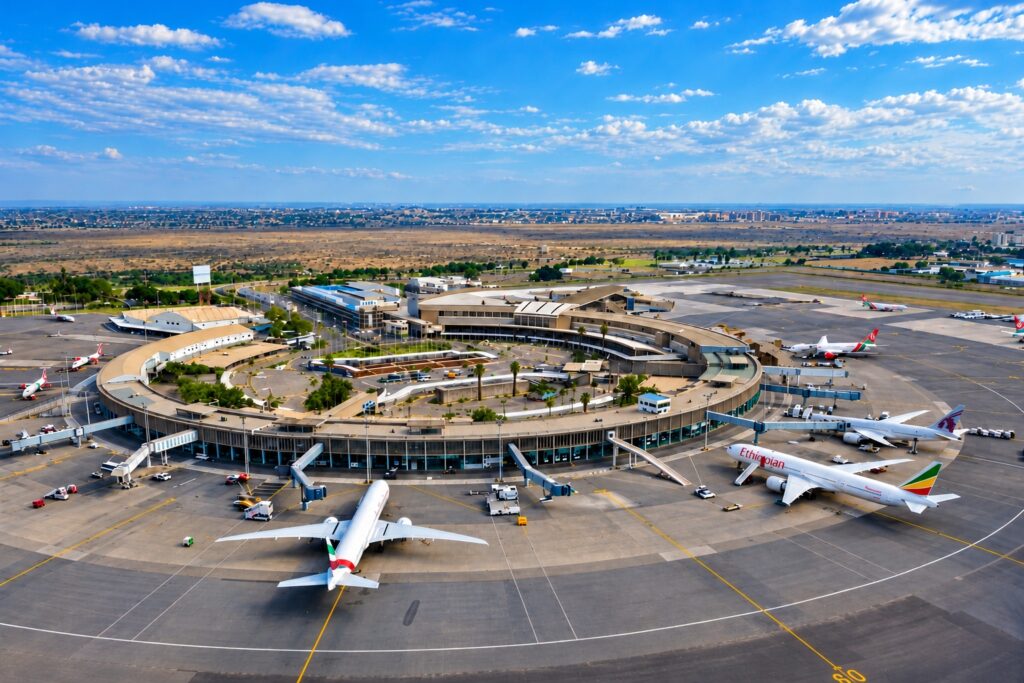
Your first time in Nairobi? Connecting through Kenya? Or returning home after a long journey? Here’s everything you need to know about navigating Jomo Kenyatta International Airport, from arrival and immigration to airport transfers and getting around Nairobi.
Imagine this: your plane touches down in Nairobi. Beyond the window, the lights of the city stretch into the distance. You’ve finally arrived in Kenya, whether you’re here for business, a safari, a conference, a family visit or a long-awaited holiday.
Then comes the practical question: What happens next?
Where do you go after landing? How do you clear immigration? Where can you collect your luggage? And, perhaps most importantly, how do you get from the airport to your hotel, meeting, residence or next destination without unnecessary stress?
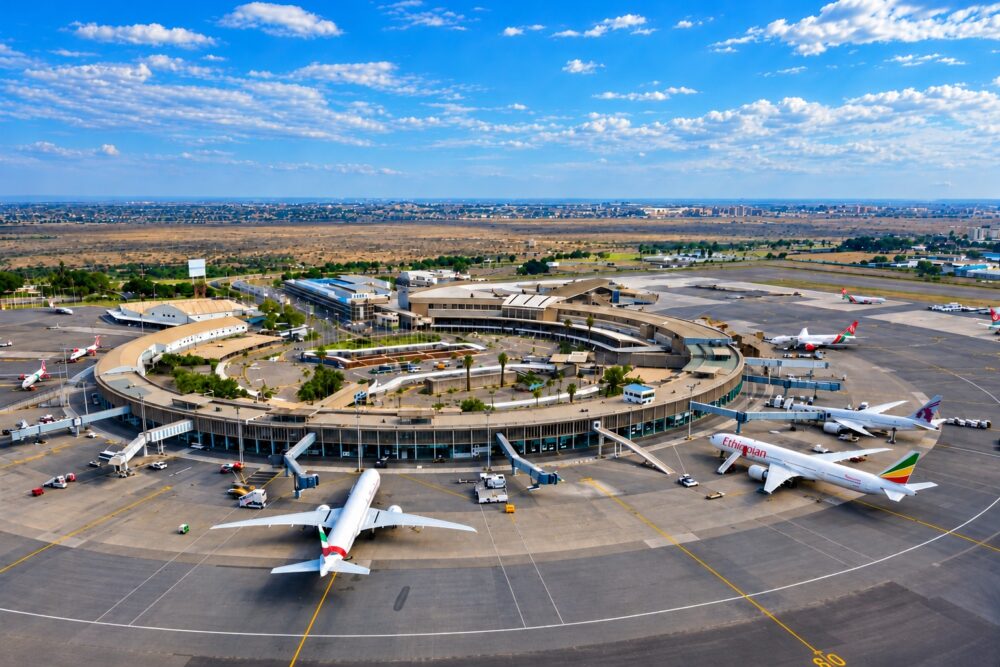
Welcome to Jomo Kenyatta International Airport (JKIA), Nairobi’s principal international gateway and one of the most important aviation hubs in East Africa.
This guide walks you through the essentials, helping you prepare for your journey, navigate the airport with greater confidence and plan what happens after you leave the arrivals hall.
Table of Contents
Getting to Know Jomo Kenyatta International Airport (JKIA)
Jomo Kenyatta International Airport is located in Embakasi, southeast of Nairobi’s central business district, along the Mombasa Road corridor. Its airport code is NBO, which you’ll see on flight tickets, baggage tags and booking confirmations.
Named after Kenya’s first president, Jomo Kenyatta, JKIA serves as a major entry point for international visitors and a connection point for travellers heading to other destinations within Kenya and across the region.
The airport serves several kinds of travellers, including:
International visitors arriving for holidays, safaris and cultural experiences.
Business executives attending meetings, conferences and corporate events.
Kenyan citizens and residents returning home.
Travellers connecting to domestic destinations.
Visitors travelling onward to other African destinations.
JKIA is more than a place to catch a flight. For many travellers, it is the first introduction to Nairobi and the starting point for everything that follows.
A useful tip: Keep your flight itinerary accessible on your phone. Your booking confirmation and boarding pass can help you verify the airline, departure information and terminal arrangements before travelling.
Understanding JKIA's Terminals
One of the most useful things to know before arriving at the airport is where you need to go.
JKIA has different terminal and concourse arrangements for international and domestic operations. Airline and terminal assignments can change, so always check your ticket, airline instructions and airport information before setting off.
Here’s a general guide to the main areas:
Terminal 1
Terminal 1 is divided into several concourses serving different operations.
-
Terminal 1A: Handles Kenya Airways and SkyTeam-related international operations, including arrivals and departures.
-
Terminals 1B and 1C: Serve international departures for various airlines.
-
Terminal 1D: Serves domestic flights within Kenya.
-
Terminal 1E: Houses the international arrivals hall, where arriving international passengers proceed through immigration, baggage collection and customs.
These are general arrangements rather than a guarantee of where every flight will operate. Confirm the relevant concourse with your airline.
Terminal 2
Terminal 2 is a separate terminal building serving selected regional and other flight operations.
If you’re unfamiliar with JKIA, don’t assume that every airline operates from the same building. Confirm your departure location before leaving for the airport, particularly if you’re travelling on a regional or low-cost service.
What Happens When You Arrive at JKIA?
Your arrival experience will depend on whether you’re landing on an international or domestic flight. For international travellers, the process generally follows a series of steps.
Step 1: Follow the signs to immigration
After leaving the aircraft, follow the airport signs directing arriving international passengers to immigration.
Have your passport and relevant travel documents ready. Depending on your circumstances, immigration officials may ask to see additional information, such as your approved Electronic Travel Authorisation (eTA), onward travel arrangements or details about your stay.
Step 2: Clear immigration
Immigration officials determine whether you meet the requirements to enter Kenya.
Foreign visitors who require an eTA should obtain the necessary approval before travelling. Kenya’s entry requirements depend on nationality, immigration status and the purpose of travel, so check the official government guidance before departure.
The official application and information portal is available at https://www.etakenya.go.ke/.
Allow time for immigration queues, particularly when several international flights arrive around the same time.
Step 3: Collect your luggage
After immigration, follow the signs to baggage reclaim and check the screens for your flight number and assigned carousel.
If your luggage doesn’t arrive, contact your airline’s baggage services desk before leaving the airport. Keep your baggage tag and boarding pass available, as these can help the airline trace your bag.
Travelling with several suitcases, equipment or business materials? Knowing how much luggage you’ll have also helps you choose suitable transport for the next part of your journey.
Step 4: Proceed through customs
Follow the relevant customs channel and declare goods where required.
If you’re carrying restricted, controlled or otherwise regulated items, check Kenya’s current customs requirements before travelling rather than assuming that the rules are the same as those in your departure country.
Step 5: Enter the arrivals area
Once you’ve completed the required formalities, you’ll proceed to the public arrivals area.
This is where your onward journey begins. You may need to meet a family member, locate your hotel shuttle, connect with a pre-arranged driver, arrange a taxi or request a ride through a transport app.
The best way to avoid unnecessary confusion? Decide how you’ll leave the airport before you land.
Travel Requirements: What Should You Prepare Before Flying to Kenya?
If you’re travelling to Kenya from another country, check the entry requirements that apply to your nationality and travel circumstances.
Depending on your situation, you may need to prepare:
A valid passport or other accepted travel document.
An approved eTA, where required.
Your return or onward travel details, where applicable.
Accommodation information and details about the purpose of your visit.
Any relevant health or vaccination documentation required for your route or circumstances.
Kenya’s immigration requirements can change. Some travellers are exempt from eTA requirements, so do not assume that every visitor follows precisely the same process.
Start with the official Kenya Electronic Travel Authorisation website and the Directorate of Immigration Services.
Check requirements well in advance, and use official government channels when submitting applications or making payments.
How to Get from JKIA to Nairobi
JKIA is roughly 15–18 kilometres from central Nairobi, depending on the route and destination. However, distance alone doesn’t determine how long your journey will take.
Nairobi traffic can be unpredictable. The time of day, weather, road conditions, security arrangements and your final destination can all affect your journey.
Here are the main transport options to consider.
Option 1: Pre-booked airport transfers
If you value convenience, advance planning and a clearly arranged pickup, a pre-booked airport transfer is worth considering.
With a properly coordinated airport transfer, your driver and pickup arrangements are organised before you arrive. You know who to contact, where to meet and how you’ll get to your destination.
This option can be particularly useful for:
First-time visitors to Nairobi.
Business executives travelling on a tight schedule.
Families travelling with children and multiple bags.
Delegates arriving for conferences and corporate events.
Travellers landing late at night or early in the morning.
Guests who prefer a more personalised arrival experience.
For executive travellers, airport transport is often the first part of a wider travel itinerary. Coordinating it in advance can make it easier to move between the airport, hotel, meeting venue and other scheduled destinations.
For a professionally coordinated arrival, explore Comfleete’s Airport Transfers.
Option 2: Airport taxis
Airport taxis can be convenient when you want to arrange a ride after landing without making an advance booking.
Before getting into a taxi, confirm the driver, destination and total fare. Use an authorised or clearly designated pickup point, and avoid accepting unsolicited transport offers from strangers approaching you inside the terminal.
If you’re unfamiliar with Nairobi, having your destination written down or saved on your phone can help you communicate where you need to go.
Option 3: Ride-hailing services
Ride-hailing apps offer another way to travel from JKIA to your destination.
If you intend to use one, make sure your phone has a working internet connection and that your payment method is ready. Follow the app’s instructions for the designated pickup point, then verify the vehicle registration and driver details before getting in.
Fares may change depending on demand, traffic and the time of day. Keep that in mind when budgeting for your arrival.
Option 4: Hotel shuttles
Some hotels provide airport shuttle services, either as part of a booking or for an additional charge.
If you’re staying at a hotel, contact the property before travelling to find out whether a shuttle is available, whether it needs to be booked in advance and where the driver will meet you.
Don’t assume that every hotel offers a complimentary transfer or operates its shuttle around the clock.
Option 5: Public transport
Public transport may be an option for travellers who are familiar with Nairobi and comfortable navigating local routes.
However, public transport can be less convenient if you’re carrying several bags, travelling with children, arriving late or unfamiliar with the city.
Research the route, operating times and onward connections before choosing this option. For visitors prioritising a straightforward door-to-door journey, a pre-arranged transfer or another direct transport option may be more practical.

How Long Does It Take to Get from JKIA to Nairobi?
The journey from JKIA to central Nairobi can be relatively quick when roads are clear, but traffic can significantly extend the trip during busy periods.
As a general planning guide, allow around 30–60 minutes or longer for some journeys into the city, depending on your destination, route and traffic conditions. Journeys to areas farther from the airport may take longer.
Your travel time can be influenced by:
The time your flight arrives.
Morning and evening traffic.
Roadworks or temporary diversions.
Your destination within Nairobi.
Whether your route uses the Nairobi Expressway.
The time required to locate your pickup and load your luggage.
The Nairobi Expressway is a tolled road that can help reduce travel time on certain routes, although it cannot eliminate all delays. Check whether toll charges are included in your transport quote.
Planning an important meeting after landing? Avoid scheduling it too close to your arrival time. Allow for immigration, baggage collection, possible flight delays and the road journey itself.
Airport Facilities and Services: What Can You Find at JKIA?
Whether you have just landed or are preparing for a long-haul flight, knowing what services may be available can help you plan your time at the airport.
Depending on the terminal, your airline and your access arrangements, facilities and services may include the following.
Currency exchange and cash access
If you need Kenyan shillings, check the availability of currency exchange services and ATMs in the relevant airport area.
Exchange rates and service fees can vary, so compare options where practical. You may also want to check whether your hotel or transport provider accepts card payments or mobile money.
Mobile connectivity
Having a working phone is useful for contacting your hotel, confirming a pickup, accessing maps and communicating with your travel party.
International roaming, an eSIM or a local SIM may be suitable options, depending on your phone and travel arrangements. Check the current availability and registration requirements for local SIM services before relying on them.
Restaurants and refreshments
Food and drink options may be available in selected public and passenger areas. Availability and opening hours can differ by location, so check the facilities relevant to your terminal and departure time.
Shopping and duty-free
Selected airport areas offer retail and duty-free shopping. If you plan to shop before boarding, allow enough time for check-in, security and boarding procedures.
Lounges
Lounge access may be available through your airline, ticket class, membership programme or a paid access arrangement. Check eligibility and opening hours before your trip.
Assistance for travellers with additional needs
Travellers who require wheelchair assistance or other accessibility support should contact their airline in advance. Families travelling with young children should also check the availability of relevant facilities and services.
Airport services can change, so confirm current details with the airport or your airline rather than relying solely on an old travel guide.
Frequently Asked Questions About JKIA
JKIA is located in Embakasi, southeast of Nairobi’s central business district, along the Mombasa Road corridor.
The airport is approximately 15–18 kilometres from central Nairobi, depending on the route and destination. Travel time varies considerably with traffic.
The best option depends on your budget, arrival time and preferences. Pre-booked transfers offer advance coordination, while taxis and ride-hailing services provide other ways to reach your hotel. Some hotels also arrange their own shuttles.
Yes, by road. The airports are separate, so you must account for immigration, baggage collection where applicable, the road journey and your onward airline’s check-in requirements.
Your Nairobi Journey Starts at JKIA. Make the Next Step Count.
Arriving in a new city comes with enough things to think about. From preparing your travel documents and navigating immigration to collecting your luggage and choosing the right transport, a little planning can make your airport experience much smoother.
The key is to look beyond the landing itself. Think about where you’re going, how you’ll get there, what you need to carry and how much time your onward journey may require.
Whether you’re visiting Nairobi for business, attending a conference, beginning a Kenyan safari or returning home, having a clear plan for your arrival helps you move forward with greater confidence.
And when your journey calls for reliable, professionally coordinated ground transport, Comfleete is ready to help you plan the next part.
Explore Comfleete Airport Transfers or contact the team to discuss your transport requirements.
Comfleete
More Than Transport. We Manage The Journey.
Website: https://www.comfleete.com
Email: info@comfleete.com
Phone: +254 117 560 000
Address: 8th Floor, Purshottam Place, Westlands, Nairobi, Kenya

